
A good homemade dijon salad dressing can completely change a simple salad tastes. It doesn’t need to be complicated or heavy — just smooth, balanced, and flavorful enough to bring everything together. This version is creamy without mayo, bright without being sharp, and comes together in just a few minutes.
I started making this dressing on busy weeknights when I wanted something quick but still homemade. The texture is silky and light, yet it clings beautifully to greens instead of pooling at the bottom of the bowl. It’s the kind of simple staple that once you make it yourself, it’s hard to go back to bottled dressing.
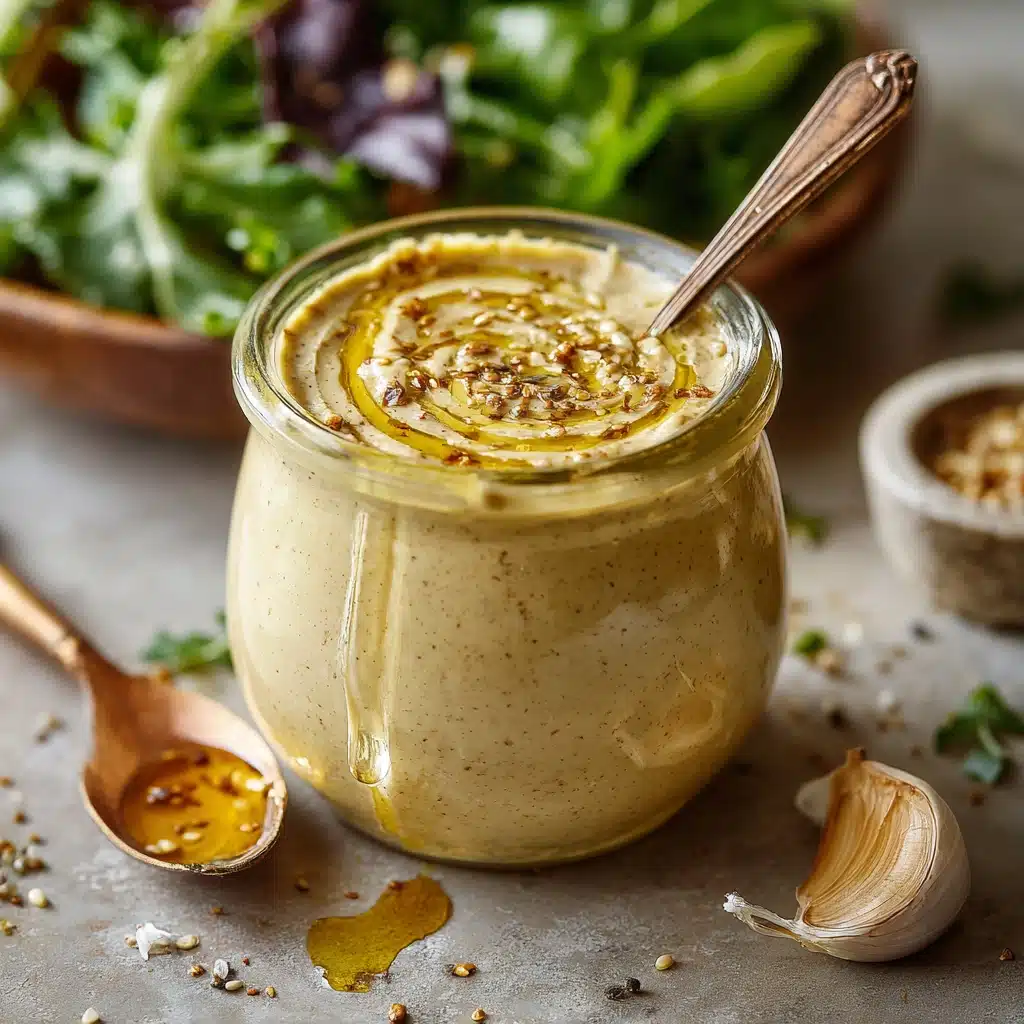
Table of Contents
Why You’ll Love This Creamy Dijon Salad Dressing
There’s something especially satisfying about having a reliable dressing you can whisk together without measuring too carefully or pulling out a blender. This one is simple, balanced, and flexible — the kind of recipe that quietly becomes part of your weekly routine.
You’ll love it because:
- It’s creamy without being heavy. No mayo, no dairy — just a smooth texture that coats greens beautifully.
- It uses pantry staples. Olive oil, Dijon, vinegar, garlic, and a touch of sweetness.
- It comes together in minutes. A bowl and a whisk are all you need.
- It works on more than salad. Try it over roasted vegetables, grain bowls, or even spooned over grilled chicken.
Once you make it a couple of times, you’ll start adjusting it naturally — a little more vinegar when you want extra brightness, a little more mustard when you’re craving something bold. It’s forgiving and easy to make your own.
Ingredients for This Homemade Dijon Vinaigrette
What makes this dressing work so well is how a few simple ingredients come together in the right balance. Nothing complicated — just classic pantry staples doing their job.
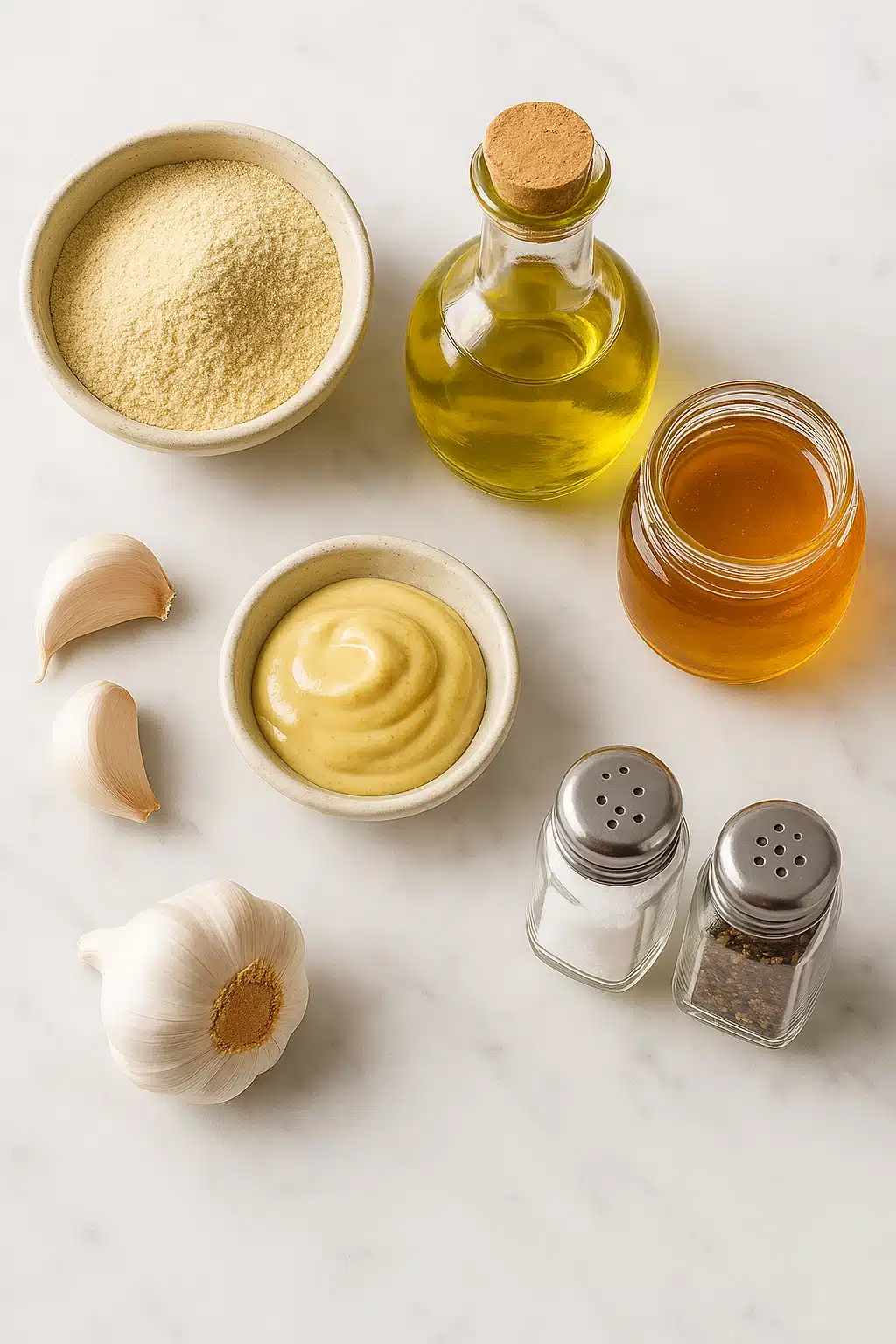
- Dijon mustard – The foundation of the dressing. It adds gentle heat and depth, and it naturally helps the oil and vinegar emulsify into a smooth, lightly creamy texture. Don’t be shy with it — a slightly generous spoonful makes a difference.
- Olive oil – Use one you truly enjoy the flavor of, since it’s the body of the vinaigrette. A good extra virgin olive oil gives richness and that soft, silky finish.
- Apple cider vinegar – Bright and slightly fruity, it balances the richness of the oil. You can swap in white wine vinegar for something milder or fresh lemon juice for a fresher, lighter feel.
- Honey – Just enough to round out the acidity and smooth the edges. It doesn’t make the dressing sweet — it simply brings everything into balance. Maple syrup works well too.
- Fresh garlic – Adds subtle sharpness and savory depth. Finely grate it for a smoother texture, or let the dressing rest a few minutes to mellow the bite.
- Salt and black pepper – Essential for pulling everything together and sharpening the flavors.
Each ingredient is familiar on its own, but when whisked properly, they create a vinaigrette that’s balanced, flavorful, and naturally creamy — no extras needed.
How to Make This Salad Dressing (Step-by-Step)
This dressing comes together in just a few minutes. No blender, no special equipment — just a bowl and a whisk.
Step 1: Start with the base.
In a medium bowl, whisk together the Dijon mustard, vinegar, and honey until completely smooth. Mixing these first helps create a stable base so the dressing emulsifies more easily.
Step 2: Slowly drizzle in the olive oil.
While whisking steadily, begin adding the olive oil in a thin, slow stream. This is the key step. Keep whisking as you pour — don’t rush it. You’ll see the mixture thicken slightly and turn glossy as it comes together into a smooth vinaigrette.
Step 3: Add the garlic.
Stir in the finely grated or minced garlic. If you prefer a milder flavor, you can let the dressing sit for a few minutes before serving to soften the sharpness.
Step 4: Season and adjust.
Add salt and freshly ground black pepper, then taste. If it feels too sharp, add a small touch more honey. If you’d like it brighter, a splash more vinegar will do the trick. If it’s thicker than you prefer, whisk in a tiny bit of water until it reaches your ideal consistency.
Let the dressing rest for a few minutes before using. The flavors settle, and the texture becomes even smoother.
Simple Tips for the Best Texture
A few small details make all the difference when it comes to getting that smooth, lightly creamy finish.
Add the oil slowly.
This is the most important step. Drizzle the olive oil in gradually while whisking constantly. Pouring too quickly can cause the dressing to separate instead of emulsify. Slow and steady creates that naturally thick, glossy texture.
Whisk with intention, not force.
You don’t need to whisk aggressively. A steady, consistent motion helps the mustard bind the oil and vinegar together smoothly.
Use enough mustard.
Dijon isn’t just for flavor — it helps hold everything together. If your dressing feels thin, a small extra spoonful can improve both texture and stability.
Let it rest briefly.
Give the dressing a few minutes before serving. The flavors settle, the garlic mellows slightly, and the texture becomes more cohesive.
Adjust in small increments.
If it feels too thick, add a tiny splash of water. Too sharp? A touch more honey softens it. Too flat? A pinch of salt often fixes it instantly.
Shake before serving.
If refrigerated, natural separation is normal. A quick shake or whisk brings it right back to smooth and creamy.
These small habits are what turn a basic vinaigrette into something that feels balanced and thoughtfully made.
Easy Flavor Variations
Once you’ve made the base dressing a few times, it becomes easy to adapt depending on what you’re serving. Think of this as your starting point — then adjust to match the mood of the meal.
Herb-Forward Version
Stir in dried oregano, basil, or a pinch of thyme for a Mediterranean feel. Fresh herbs work beautifully too — especially parsley or dill. If using fresh, chop them finely so they blend smoothly into the texture.
Balsamic Twist
Swap part of the vinegar for balsamic to create a slightly deeper, richer flavor. This version pairs especially well with roasted vegetables, mushrooms, or a salad with nuts and cheese.
Maple and Lemon Variation
Replace the honey with maple syrup and add a squeeze of fresh lemon juice. It gives the dressing a brighter, slightly softer sweetness that works well on grain bowls or spinach salads.
Creamier Finish
For an even thicker consistency, let the dressing rest a little longer before serving. You can also whisk in a spoonful of plain yogurt or a plant-based alternative if you’d like it richer.
The beauty of this recipe is how flexible it is. Once you understand the balance of tangy, savory, and lightly sweet, you can adjust it confidently without overthinking.
Make Ahead Tips and Serving Ideas
This dressing is easy to prepare in advance, which makes weekday meals feel a little more put together.
Make Ahead Tips
- Store in a sealed jar or small container in the refrigerator. A glass jar with a tight lid works especially well.
- Expect natural separation. Just shake or whisk before serving to bring it back to a smooth consistency.
- Let it sit at room temperature for a few minutes before using if the olive oil has firmed up in the fridge.
- Use within about a week for the freshest flavor.
- Taste before serving. A tiny pinch of salt or splash of vinegar can brighten it back up after chilling.
Serving Ideas
- Toss with mixed greens, arugula, or spinach for a simple side salad.
- Drizzle over roasted vegetables like carrots, potatoes, or cauliflower.
- Spoon onto grain bowls with quinoa, farro, or rice.
- Use as a light sauce for grilled chicken or salmon.
- Stir a little into pasta salad for extra flavor without heaviness.
It’s the kind of dressing that quietly works with whatever you already have in the fridge — simple, reliable, and easy to reach for all week.
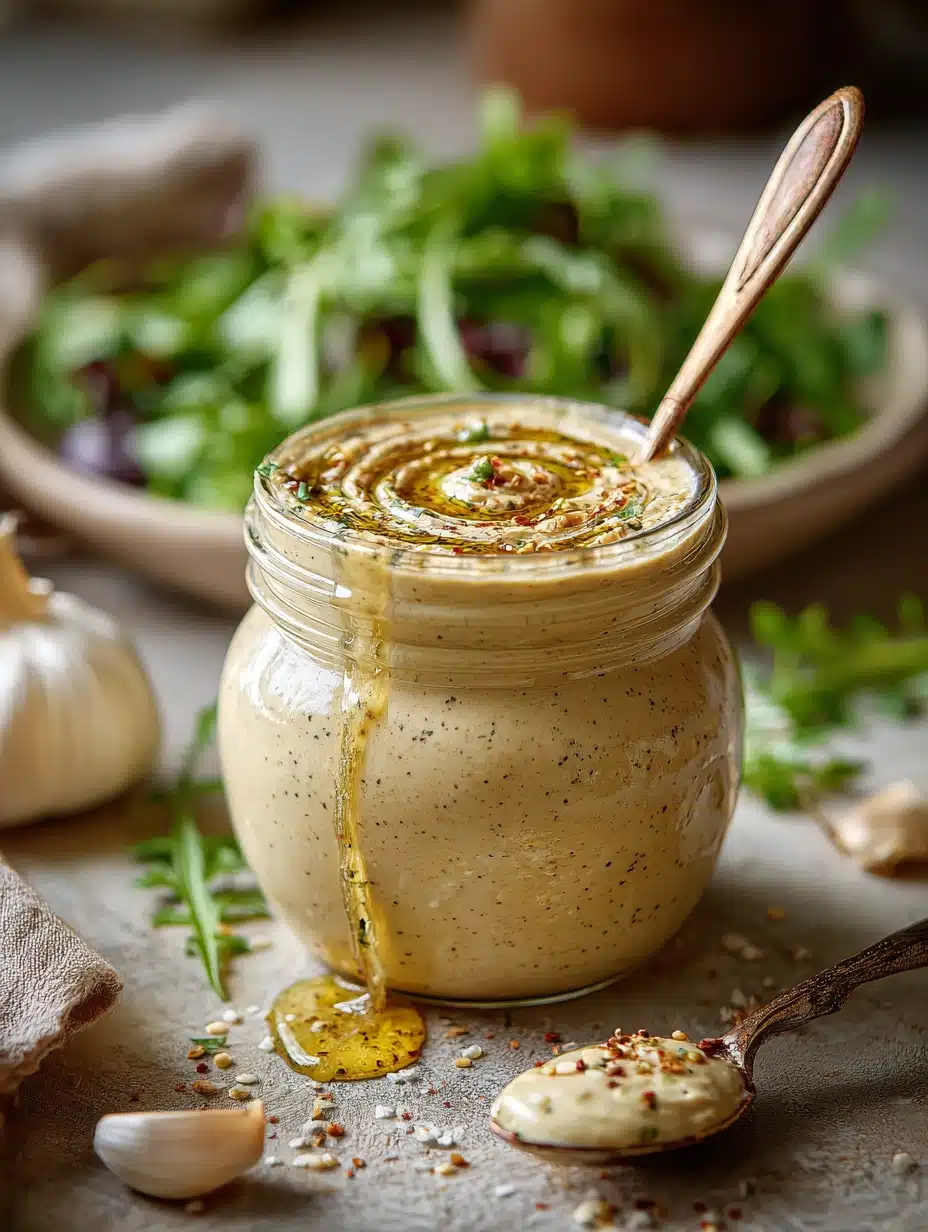
This is the kind of dressing that makes everyday meals feel a little more put together. It’s quick to whisk, easy to adjust, and reliable every time. Keep the ingredients on hand, and you’ll always be just a few minutes away from a fresh, flavorful salad.
Frequently Asked Questions
Why didn’t my dressing thicken?
Most likely, the oil was added too quickly. For a smooth, lightly creamy texture, drizzle the oil in slowly while whisking constantly. Dijon mustard helps bind everything together, so make sure you’re using enough and whisking steadily.
Can I make this without honey?
Yes. You can leave it out for a sharper vinaigrette, or substitute maple syrup for a slightly deeper flavor. Even a small amount helps balance the acidity, so adjust to taste.
What’s the best oil to use?
Extra virgin olive oil gives the richest flavor, but you can use a lighter olive oil if you prefer a more neutral taste. Just choose one you enjoy, since it makes up most of the dressing.
How long does it keep in the fridge?
Stored in a sealed jar, it keeps well for about a week. If the oil firms up when chilled, let it sit at room temperature for a few minutes and shake before serving.
Can I use this on more than salad?
Absolutely. It’s great drizzled over roasted vegetables, spooned onto grain bowls, or used as a light marinade for chicken or fish.

Creamy Homemade Dijon Salad Dressing
Equipment
- medium mixing bowl
- Whisk
- Measuring cups and spoons
- small jar with lid (for storage)
Ingredients
- 2 tbsp Dijon mustard
- 1/4 cup apple cider vinegar
- 1 tbsp honey
- 1/2 cup extra virgin olive oil
- 1 clove fresh garlic, finely grated or minced
- 1/4 tsp salt
- 1/8 tsp black pepper
Instructions
- In a medium bowl, whisk together the Dijon mustard, apple cider vinegar, and honey until completely smooth.
- While whisking steadily, slowly drizzle in the olive oil in a thin stream until the dressing thickens and becomes glossy.
- Stir in the finely grated or minced garlic and mix well.
- Season with salt and freshly ground black pepper. Taste and adjust with more honey for sweetness or vinegar for brightness if needed.
- Let the dressing rest for a few minutes before serving to allow the flavors to settle. Shake or whisk again if needed.