
This matcha tea recipe is a simple way to enjoy traditional whisked matcha at home, using just a few basic tools and high-quality matcha powder. Known for its vibrant green color and smooth, slightly grassy flavor, matcha has long been part of Japanese tea culture and modern tea rituals alike.
Unlike café-style matcha drinks that rely on milk and sweeteners, this traditional preparation focuses on technique — from water temperature to whisking — to create a light, frothy cup with balanced flavor. In this guide, you’ll learn how to prepare matcha tea properly, choose the right matcha powder, and avoid common mistakes, all in just a few minutes.
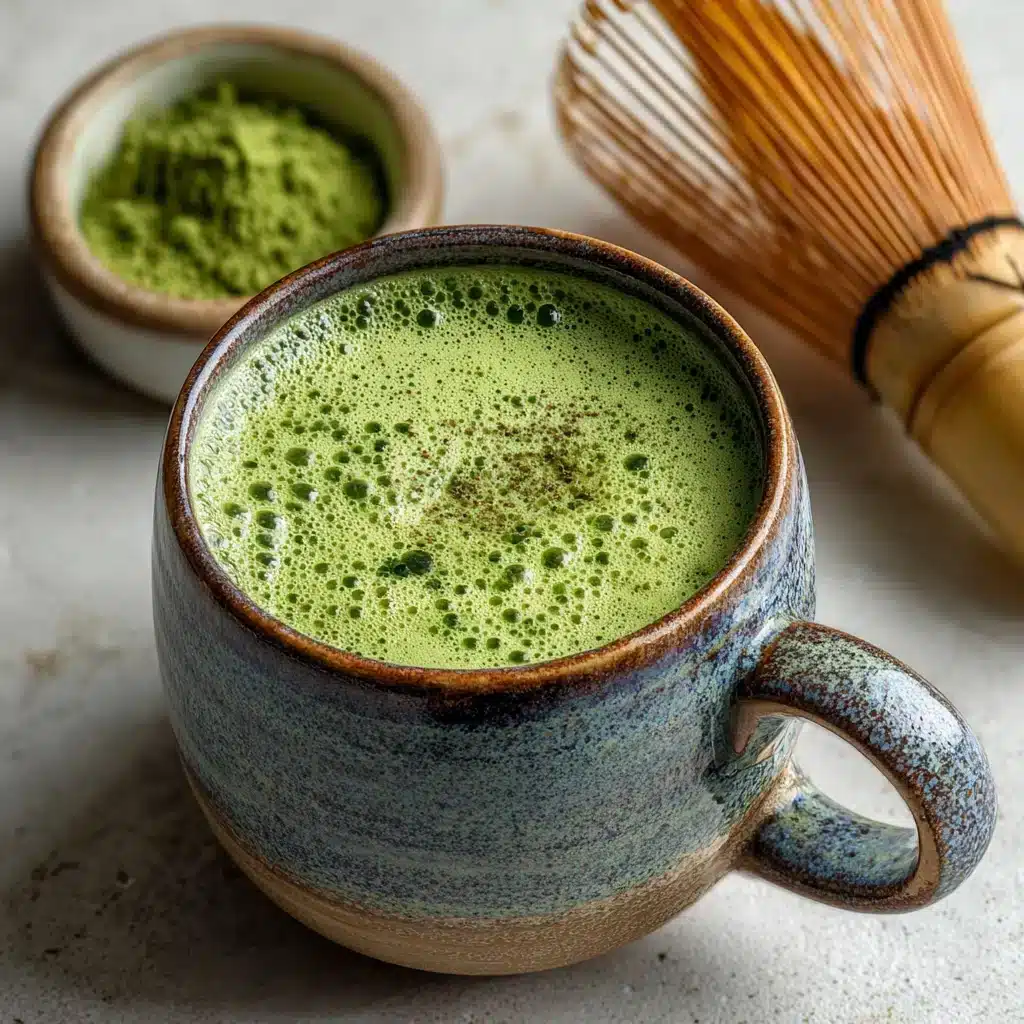
Table of Contents
Choosing the Right Matcha Powder
For the best flavor, look for matcha with a bright, vibrant green color. This usually indicates fresher tea leaves and a smoother taste. If the powder looks dull, yellowish, or brown, it’s likely old and will taste more bitter.
Ceremonial-grade matcha is often preferred for drinking because it’s milder and less astringent, but culinary-grade matcha also works well, especially if it’s fresh and good quality. When possible, choose matcha that’s finely ground and stored in an airtight container to preserve flavor.
How to Make Matcha Tea (Step-by-Step)
This matcha tea recipe is quick to prepare and focuses on technique rather than extra ingredients. Once you’ve made it a couple of times, the process becomes second nature.
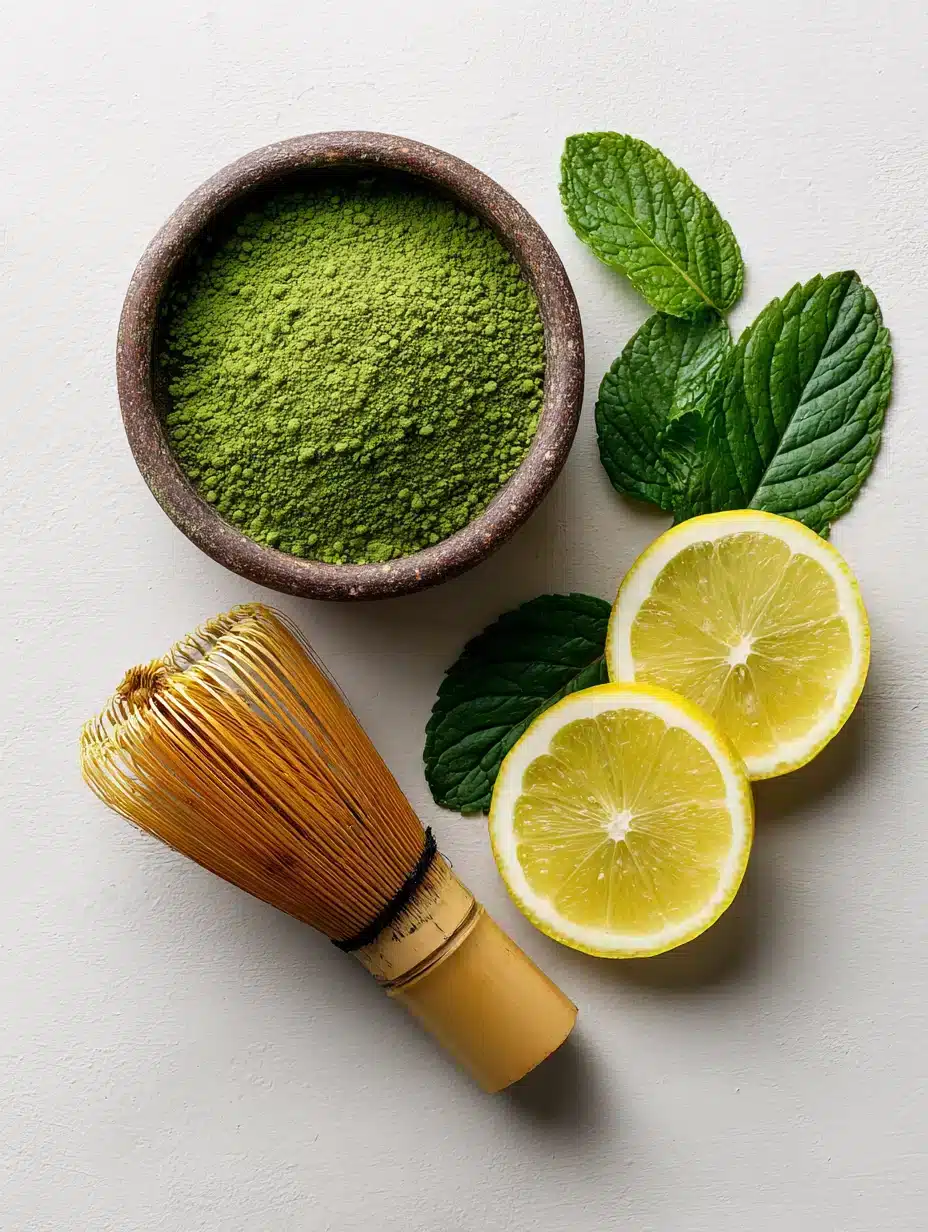
What You’ll Need:
- 1–2 teaspoons high-quality matcha powder
- 2–3 ounces hot water (not boiling)
Optional additions: a few drops of lemon juice or a small amount of sweetener, if desired.
Step-by-Step Instructions
- Heat the water
Warm your water to about 175°F (80°C). It should be hot but not bubbling. If you don’t have a thermometer, let freshly boiled water sit for about 2 minutes before using. - Sift the matcha
Sift the matcha powder into a bowl to remove clumps. This small step makes a big difference in texture. - Create a smooth paste
Add a small splash of hot water to the matcha and whisk until it forms a smooth paste. This helps prevent lumps later. - Whisk and foam
Gradually add the remaining water while whisking in quick back-and-forth motions (not circular). Continue until the matcha is fully blended and lightly frothy on top.
Serve immediately and enjoy while warm.
Water Temperature Tip
Using water that’s too hot can make matcha taste bitter. Aim for about 175°F (80°C) — hot but not boiling. If you don’t have a thermometer, let freshly boiled water sit for about 2 minutes before using. This helps bring out a smoother, more balanced flavor.
Whisking Technique
Instead of stirring in circles, whisk in quick back-and-forth motions, similar to drawing the letter “M” or “W.” This technique helps fully blend the matcha and creates a light layer of foam on top.
Common Matcha Mistakes (and How to Fix Them)
Matcha can be surprisingly easy to get wrong at first. If yours has ever tasted grassy, bitter, or flat, one of these small issues is usually the reason.
Why Matcha Can Taste Bitter
The most common causes are water that’s too hot or old matcha powder. Boiling water scorches the tea and brings out harsh flavors, while stale matcha loses its natural sweetness. Fresh, vibrant green matcha prepared with slightly cooled water should taste smooth and balanced.
How to Get a Light, Foamy Texture
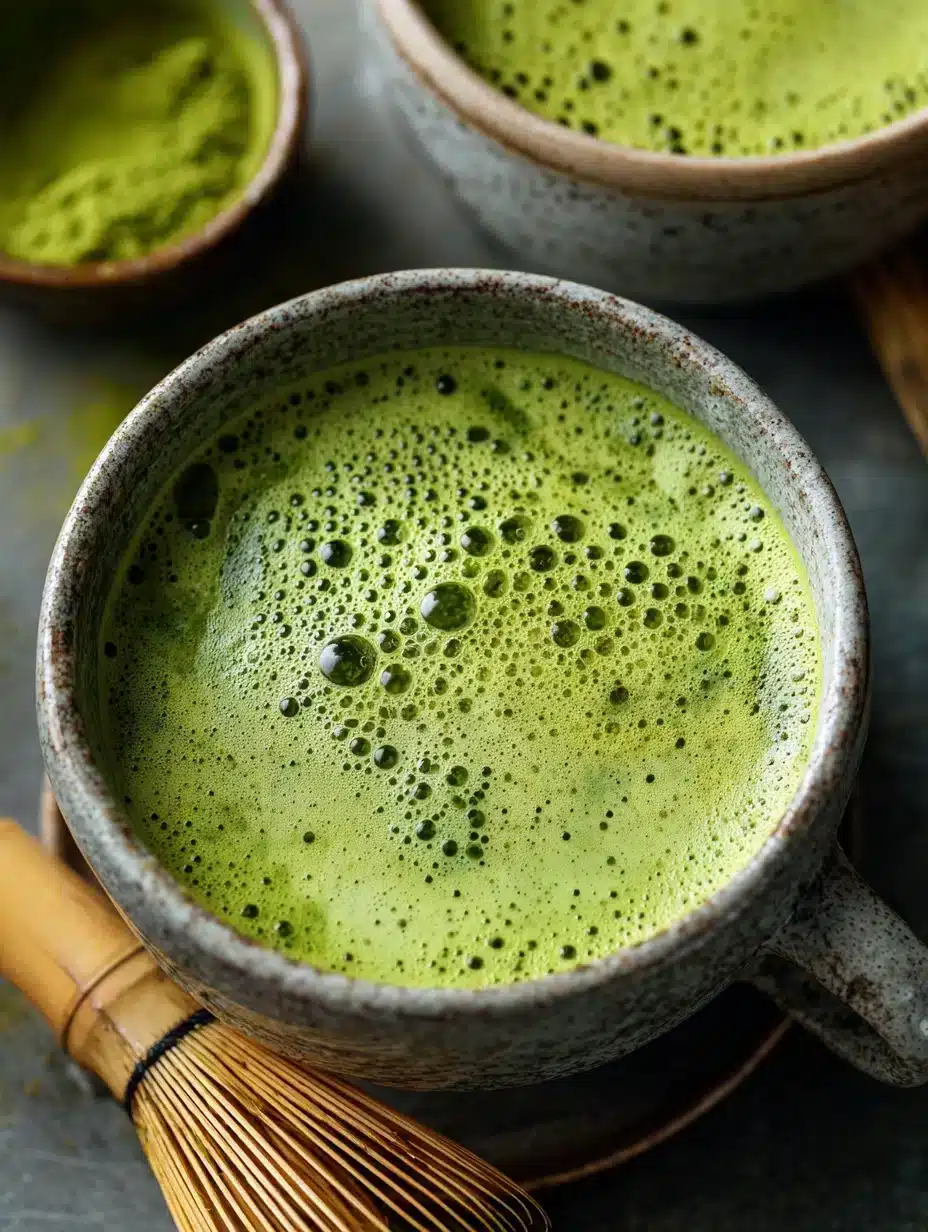
Foam isn’t just for looks — it’s a sign the matcha has been properly mixed. If your tea looks flat or grainy, try whisking faster using short back-and-forth motions instead of stirring in circles. Sifting the matcha before whisking also helps create a smoother result.
Simple Ways to Customize Your Matcha
Once you’re comfortable with the basic method, you can adjust the flavor slightly to suit your taste.
- Sweeten gently: A small drizzle of honey or maple syrup can soften the flavor. Start with a tiny amount and adjust as needed.
- Add warmth: A pinch of cinnamon or vanilla adds depth without overpowering the tea.
- Brighten it up: A few drops of lemon can add a light, fresh note.
These small tweaks keep the drink simple while letting you personalize it.
Adding Extra Flavor
If you’d like to change things up, small additions can subtly adjust the flavor without overpowering the matcha.
- Cinnamon: Adds warmth and a lightly spiced note
- Lemon: A few drops can brighten the flavor and add freshness
- Vanilla: Softens the grassy edge of matcha and adds depth
Start with very small amounts and adjust to taste — matcha is delicate, and a little goes a long way.
This matcha tea recipe is intentionally simple. Once you’re comfortable with the basic method, it’s easy to tweak the strength, water amount, or flavor additions to suit your preferences.
Don’t worry about making it perfect every time. Even if your whisking isn’t flawless, you’ll still end up with a smooth, enjoyable cup. Like most things, matcha gets better the more you make it.
More Weight Loss Recipes You’ll Love
Frequently Asked Questions
Why does my matcha taste bitter?
Bitterness is usually caused by water that’s too hot or matcha powder that isn’t fresh. Use water that’s hot but not boiling (around 175°F / 80°C), and choose matcha with a bright green color for the smoothest flavor.
Can I prepare matcha ahead of time?
Matcha tastes best when it’s freshly whisked. However, you can sift the matcha powder ahead of time and store it in an airtight container so it’s ready to use when needed.
Is ceremonial or culinary grade matcha better for this recipe?
Both work well. Ceremonial-grade matcha tends to be smoother and milder, while culinary-grade has a stronger, more robust flavor. Choose based on taste preference and what’s available to you.
Why do I need to sift matcha powder?
Sifting helps remove clumps and makes the powder easier to whisk, resulting in a smoother texture and more even consistency in the finished tea.
Matcha tea recipe
Equipment
- Small whisk (bamboo or regular kitchen whisk)
- Small bowl
- Sifter (optional but recommended)
Ingredients
- 1 –2 teaspoons high-quality matcha powder
- 2 –3 ounces hot water about 175°F
- Optional: lemon juice stevia, or honey
Instructions
- Heat your water to about 175°F (not boiling). If you don’t have a thermometer, let boiling water cool for 2 minutes.
- Sift the matcha powder into a bowl to remove clumps.
- Add a small splash of hot water and whisk into a smooth paste.
- Pour in the remaining water slowly while whisking quickly in a zigzag “M” motion to create foam.
- Taste and add optional lemon juice or a pinch of sweetener if desired.
- Enjoy immediately as part of your morning routine.