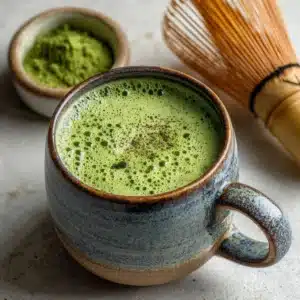
A 3-day smoothie plan might sound intense at first, but this one is designed to be simple, flexible, and easy to follow — no extreme rules, no strange ingredients, and no skipping real food.
This approach focuses on replacing a couple of daily meals with nourishing smoothies made from fruits, vegetables, and everyday pantry staples, while still enjoying one balanced solid meal each day. Many people turn to short smoothie plans like this when they want lighter meals, a break from heavy foods, or a reset to more mindful eating habits.
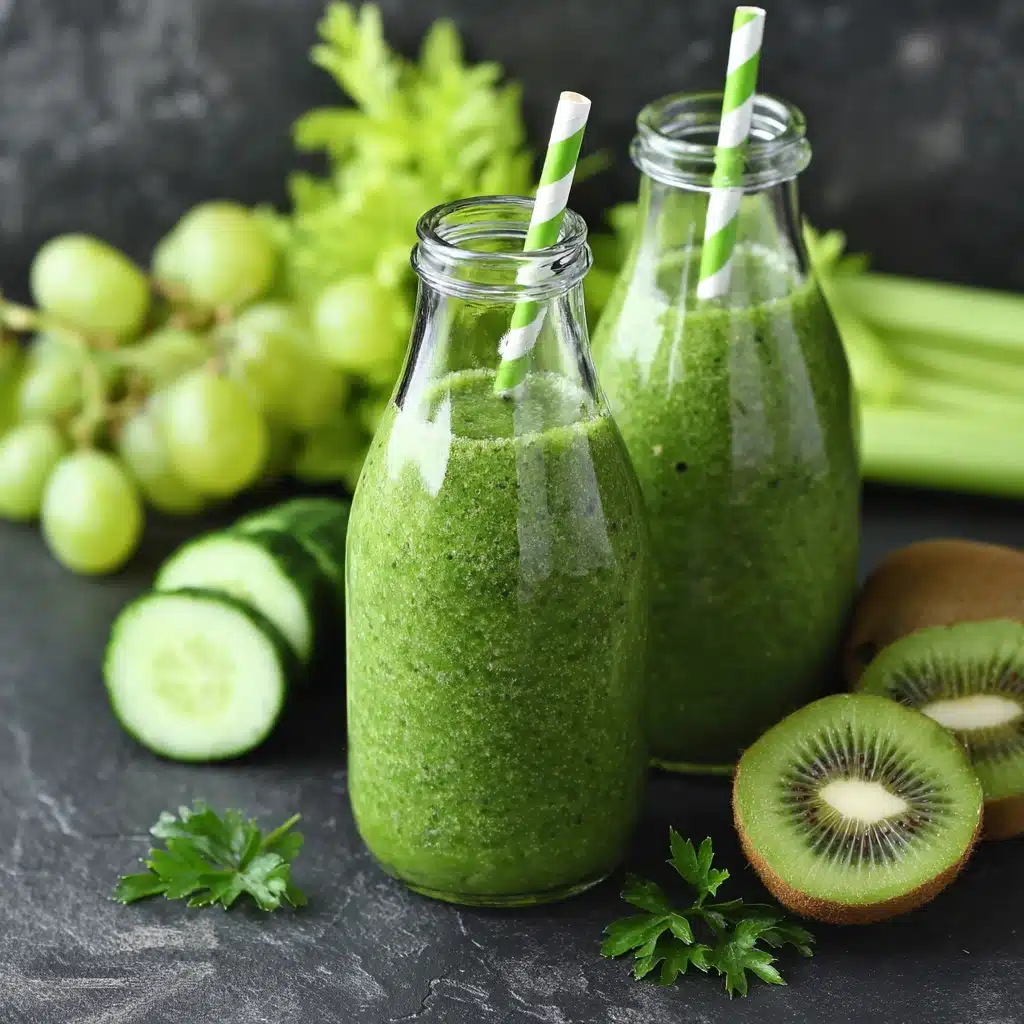
Rather than framing this as a cleanse or detox, think of it as a short smoothie-based routine that emphasizes hydration, simplicity, and convenience. It’s especially popular with busy schedules because it requires minimal prep and can be planned ahead.
In this guide, you’ll find a clear 3-day smoothie structure, easy recipe ideas for each day, practical tips for preparation, and suggestions for transitioning back to regular meals — all without pressure or unrealistic expectations.
Table of Contents
What Makes This 3-Day Smoothie Plan Different
A lot of so-called “cleanses” rely on extreme restriction — juice-only days, skipping meals, or rules that are hard to stick to in real life. This 3-day smoothie plan takes a much more balanced approach.
Instead of cutting out food entirely, it focuses on using smoothies as simple, nutrient-dense meal replacements while still keeping one solid, satisfying meal each day. That makes it far more realistic for busy schedules and everyday routines.
Why Smoothies Work Better Than Extreme Fasts
Rather than relying on juices alone, this plan includes smoothies made with whole fruits, vegetables, and other filling ingredients. That means you’re still getting texture, variety, and meals that feel complete.
What this approach emphasizes:
- Blended whole foods instead of juice-only drinks
- Fiber-rich ingredients that feel more filling
- Simple combinations you can prep ahead
- A routine that doesn’t revolve around restriction
Think of it less as a “cleanse” and more as a short-term smoothie-focused reset that prioritizes ease and consistency.
What People Like About a Short Smoothie Routine
Everyone’s experience is different, but many people enjoy short smoothie plans because they feel lighter, simpler, and easier to manage than heavy or overly structured eating days.
Common reasons people stick with smoothies afterward include:
- Less decision fatigue around meals
- A more consistent morning routine
- Fewer processed foods during the day
- A habit that’s easy to repeat occasionally
For many, the biggest takeaway isn’t the three days themselves — it’s realizing how practical smoothies can be as part of a normal routine. fixes. Many people feel so good they keep smoothies as part of their daily routine!
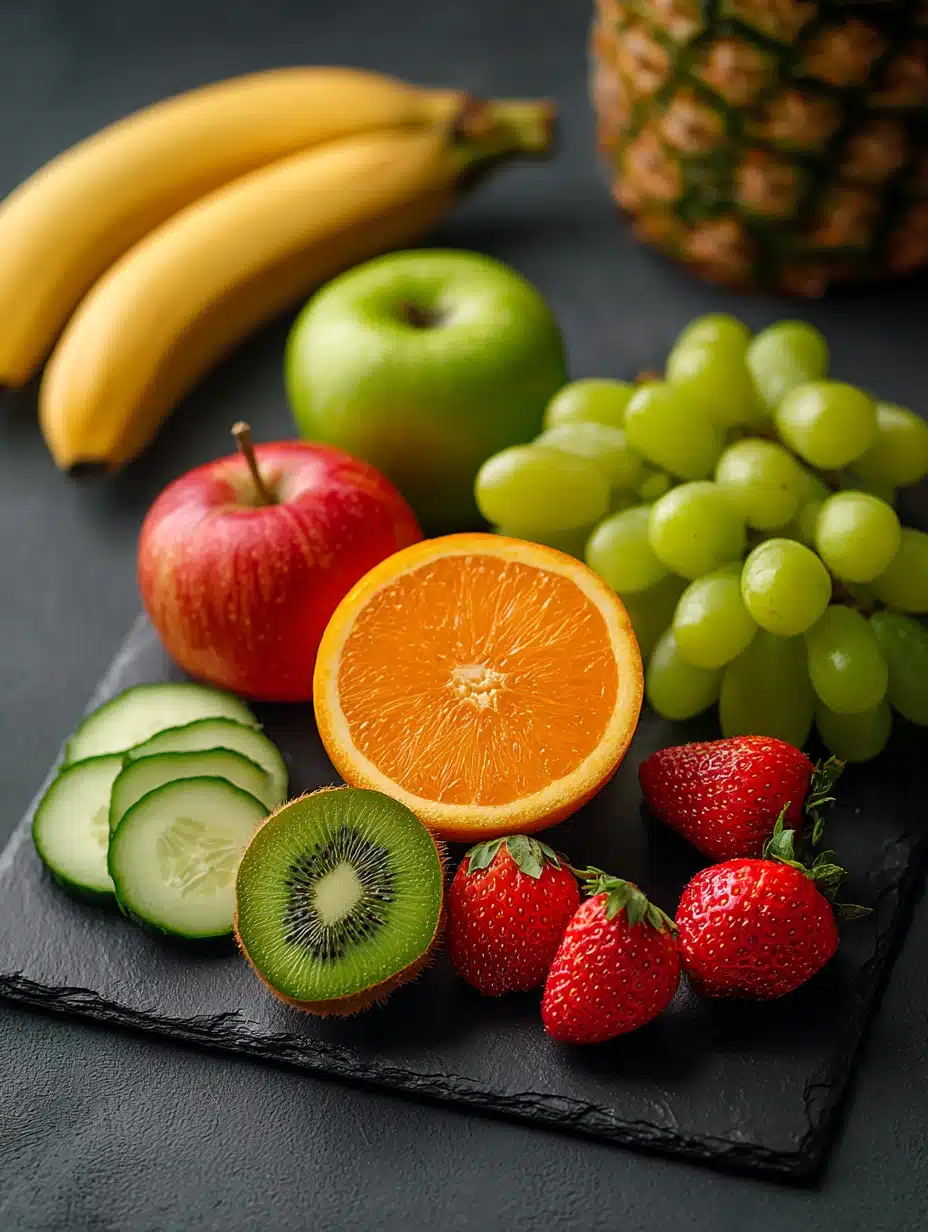
Your Simple 3-Day Smoothie Plan
Let’s keep this easy. The goal here isn’t restriction or complicated rules — it’s a short, smoothie-focused routine that fits into normal life.
The Daily Structure
For three days, the plan looks like this:
- Smoothie for breakfast
- Smoothie for lunch
- One balanced, whole-food dinner
- One optional snack if needed
- Plenty of water throughout the day
That’s it. No strict timing, no calorie counting, and no skipping meals entirely. The idea is to simplify food choices while still eating real, satisfying meals.
Smoothie Ideas for Each Day
You can rotate smoothies however you like, but here’s a simple way to structure the three days using recipes already on the site.
Day 1: Fresh & Green
Start with the Tropical Green Smoothie. The fruit keeps it approachable, even if you’re not usually a fan of green smoothies.
Day 2: Creamy & Filling
The Strawberry Peanut Butter Smoothie works well here. It’s thicker, more filling, and easy to prep ahead.
Day 3: Light & Fruity
Finish with the Ginger Peach Smoothie — bright, refreshing, and naturally sweet.
Tip: You can blend smoothies the night before and store them in jars in the fridge to save time in the morning.
What to Eat for Your Solid Meal
Dinner should feel normal and nourishing — not restrictive. Think simple, balanced plates using familiar foods.
Some easy options:
- Grilled salmon with quinoa and roasted vegetables
- Tofu or vegetable stir-fry with brown rice
- Lentil soup with whole-grain toast and avocado
- Baked chicken with sweet potato and steamed broccoli
A helpful rule of thumb:
Fill about half your plate with vegetables, add a source of protein, and include a complex carbohydrate. No perfection required.
Day-by-Day: How the 3-Day Smoothie Plan Typically Feels
Everyone’s experience is different, but here’s a general idea of how these three days often fit into a routine. Think of this as guidance — not a promise.
Day 1: Settling Into the Routine
The first day is mostly about adjustment. You’re changing your usual eating pattern, which can feel different at first.
- You may feel motivated starting something new
- You might notice hunger at unfamiliar times
- Staying hydrated helps a lot
Tip: Keep meals simple and don’t overanalyze how you feel. Day one is about easing in.
Day 2: Finding Your Rhythm
By the second day, the routine often feels more familiar.
- Smoothies are easier to prep and time
- Energy may feel more even simply from consistent meals
- Many people feel more organized around food choices
Light movement like walking or stretching can be a nice addition, but it’s completely optional.
Day 3: Finishing Strong
Day three is usually about completion rather than change.
- You may feel more confident sticking to simple meals
- Decision-making around food often feels easier
- Many people enjoy the sense of structure and consistency
Use this day to notice what you liked most — not to judge results., “Wow, I can actually do this healthy eating thing!”
What’s Realistic to Expect From a 3-Day Smoothie Reset
It’s totally normal to wonder what a short smoothie plan might do — but it’s important to keep expectations grounded.
This type of plan isn’t meant to deliver dramatic or lasting weight changes. Instead, most people use it as a short reset focused on structure, simplicity, and food awareness, not the number on the scale.
Rather than measuring success by weight alone, many people pay attention to things like:
- How consistent their meals feel
- Whether they enjoy simpler food choices
- How easy it is to return to balanced eating afterward
Any short-term scale changes can vary widely and are often influenced by hydration, sodium intake, and normal day-to-day fluctuations.
A More Helpful Way to Approach These 3 Days
If you decide to try a short smoothie-focused plan, these gentle habits tend to support the experience — without turning it into a rigid “cleanse.”
Stay hydrated
Drinking water regularly throughout the day can help you feel more comfortable and focused. Plain water, sparkling water, and unsweetened herbal teas all count.
Prioritize rest
Getting enough sleep helps your body maintain normal routines. There’s no need to push productivity during these days.
Keep movement light
Walking, stretching, or casual movement is usually enough. This isn’t the time for intense workouts or pressure.
Avoid extremes
Skipping meals, cutting entire food groups, or forcing restrictions can make the experience harder than it needs to be. Simplicity works better than intensity.
The Bottom Line
This plan works best when viewed as a short, optional reset, not a solution or shortcut. Some people enjoy the structure, others decide it’s not for them — both outcomes are completely fine.
The real value comes from noticing what feels sustainable and using that insight moving forward.
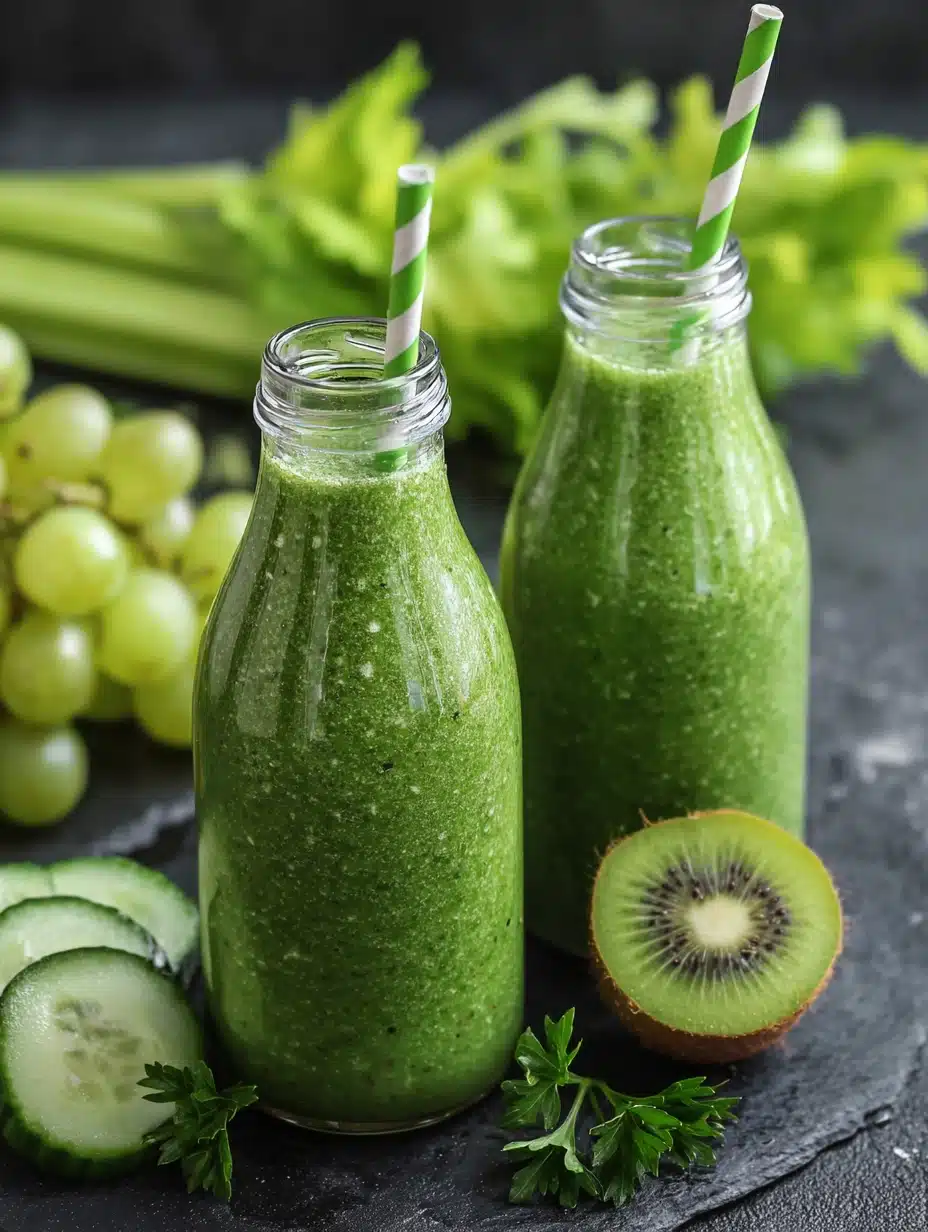
After the 3 Days: Moving Forward in a Balanced Way
If you decide to try a short smoothie-focused reset, what comes after matters just as much as the plan itself. The goal isn’t to “undo” anything or chase results — it’s to return to normal eating in a way that feels steady and comfortable.
Easing Back Into Regular Meals
There’s no need to overhaul your routine or restrict yourself. A gradual transition often feels best.
Some people like to:
- Keep one smoothie a day, often at breakfast, simply because it’s easy and familiar
- Build meals around vegetables, grains, and a protein they enjoy
- Reintroduce richer or heavier foods slowly, based on appetite rather than rules
Paying attention to how foods make you feel can be more useful than following a strict plan.
Making Smoothies Part of Everyday Life (Optional)
You don’t need to “stay on” anything. If smoothies worked well for you, they can just become another option in your rotation.
Easy ways to keep it low-effort:
- Prep freezer smoothie packs once a week
- Rotate flavors so it doesn’t feel repetitive
- Use smoothies as a convenient meal, not a requirement
If you enjoy variety, recipes like a simple green smoothie bowl or a fruit-forward blend can help keep things interesting without turning it into a program.
Final Thoughts
A short smoothie plan works best when it’s viewed as optional structure, not a fix or a rule. Some people enjoy the simplicity, others decide it’s not their thing — both outcomes are completely fine.
The most sustainable approach is always the one that fits naturally into your life and supports habits you actually enjoy.
This content is shared for general informational purposes and reflects personal experience. It isn’t intended as medical advice. If you have specific health concerns, it’s always best to consult a qualified professional.
FAQs About a 3-Day Smoothie Plan
What is the goal of a 3-day smoothie plan?
A short smoothie plan is often used as a temporary routine to simplify meals and focus on whole ingredients. Many people try it to bring structure to their eating habits or to explore adding more fruits and vegetables to their day — not as a long-term solution.
Does a smoothie plan lead to weight loss?
Short plans can affect the scale in different ways, depending on hydration, food choices, and normal daily fluctuations. Because this approach is brief, it’s best viewed as a reset in routine, not a guaranteed weight-loss method.
Can I exercise during the 3 days?
Light movement is usually the most comfortable option. Activities like walking, stretching, or gentle yoga tend to pair well with a short smoothie-focused plan. More intense workouts may feel harder for some people during this time.
What should I eat after the plan ends?
Most people transition back to regular meals by keeping things simple at first — vegetables, grains, and protein they already enjoy. Some choose to keep smoothies as an occasional meal, while others return fully to their usual routine. There’s no single “right” approach.